The STAR method is fine. Your stories are the problem.
Everyone learns Situation, Task, Action, Result, then pours weak stories into it. The framework was never the problem. Your stories are.
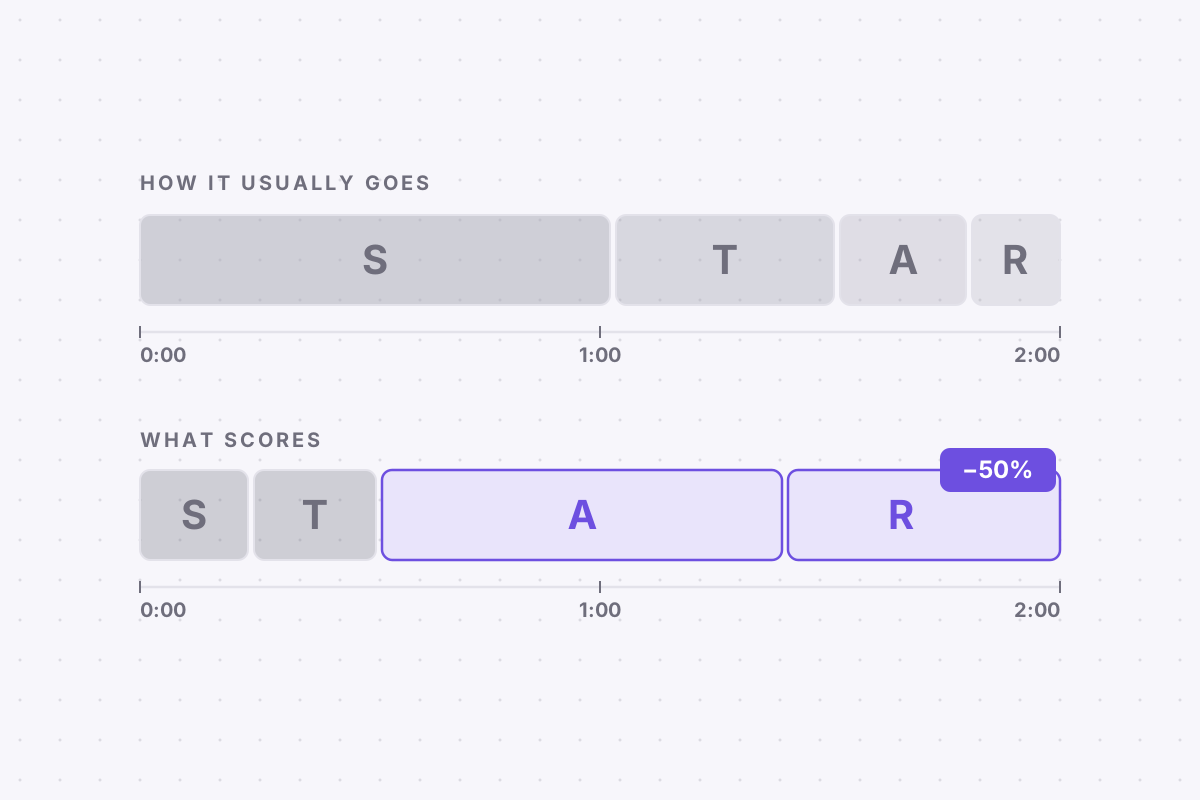
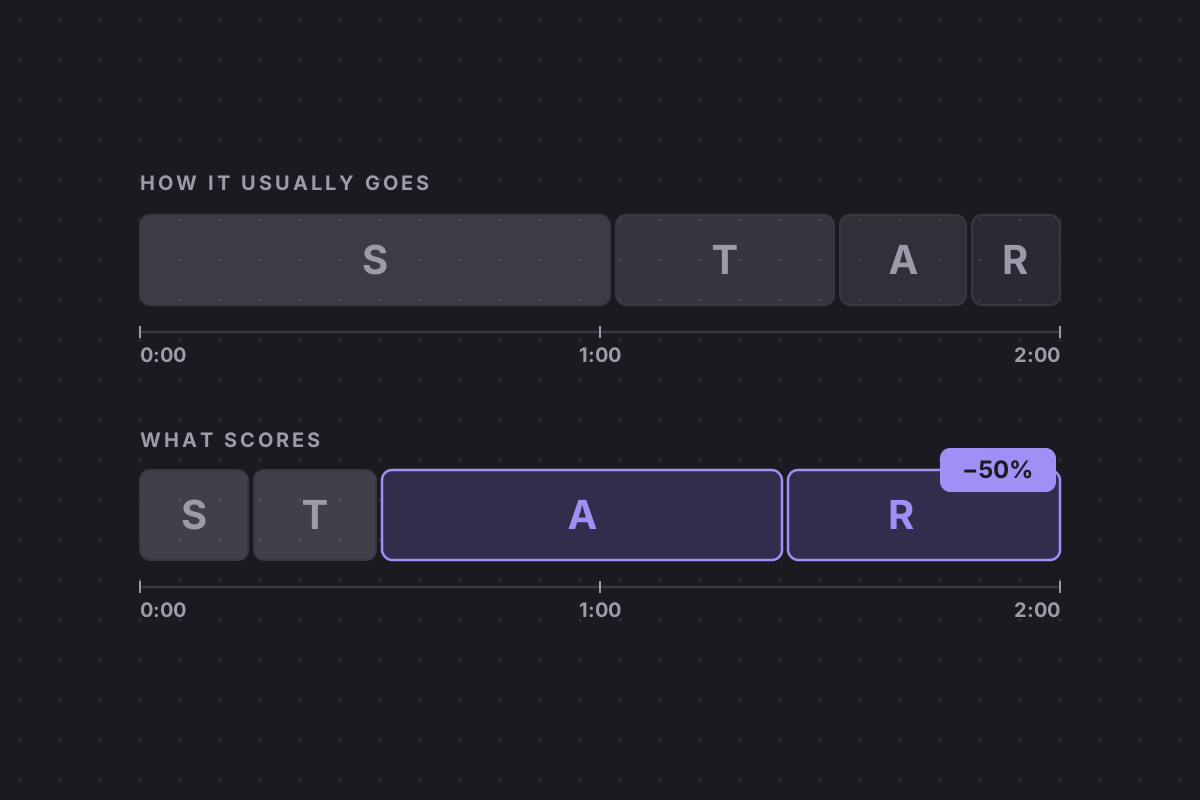
Search for STAR method examples and you will find thousands of templates that all look the same. A tidy Situation, a clear Task, a list of Actions, a Result that saved the day. Candidates memorise the acronym, walk into the interview, and still lose the room inside a minute. The framework is not what failed them.
STAR, short for Situation, Task, Action, Result, exists because behavioural interviewing runs on one working assumption: past behaviour is the best available predictor of future behaviour. Your interviewer is not collecting anecdotes. They are scoring you against a rubric, and the STAR interview method mirrors that rubric almost line for line. Situation and Task establish context and stakes, Action shows what you personally did, Result shows whether any of it worked. When candidates fail with STAR, it is almost never because they forgot the letters. It is because the story underneath was the wrong story, told in the wrong proportions.
The framework everyone knows and still fails with
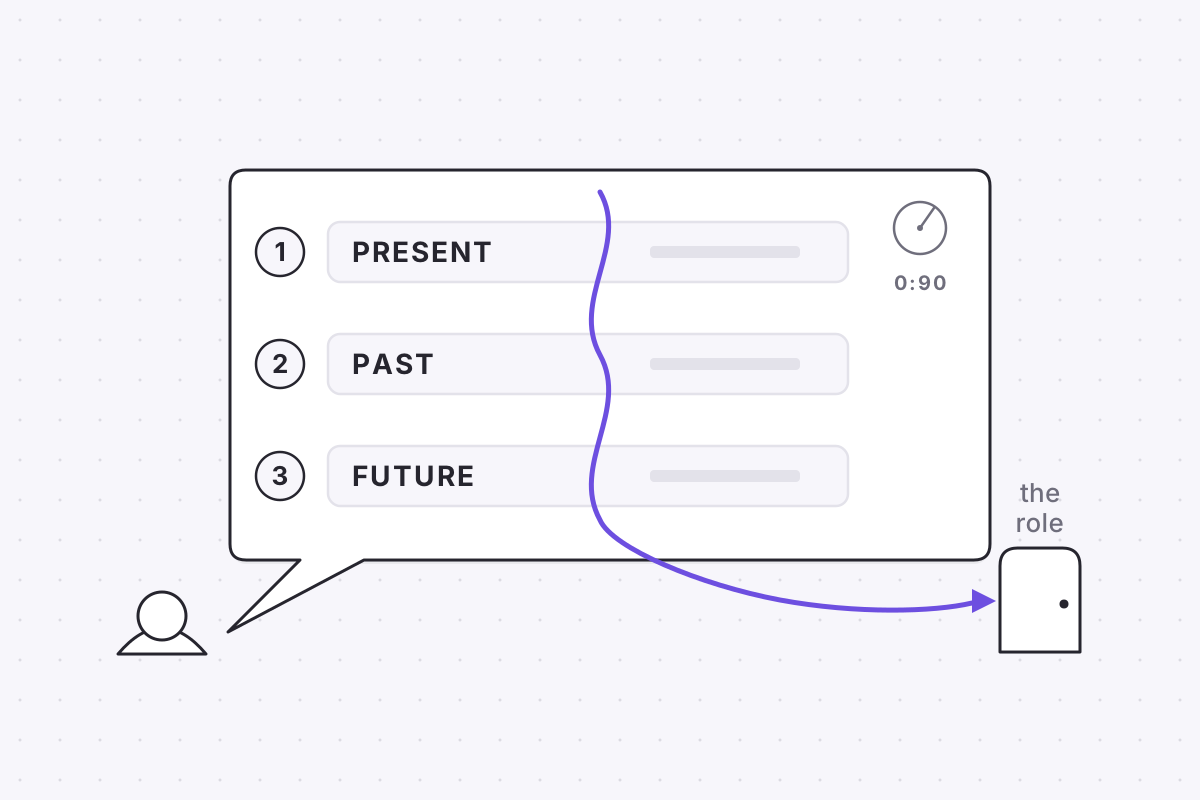
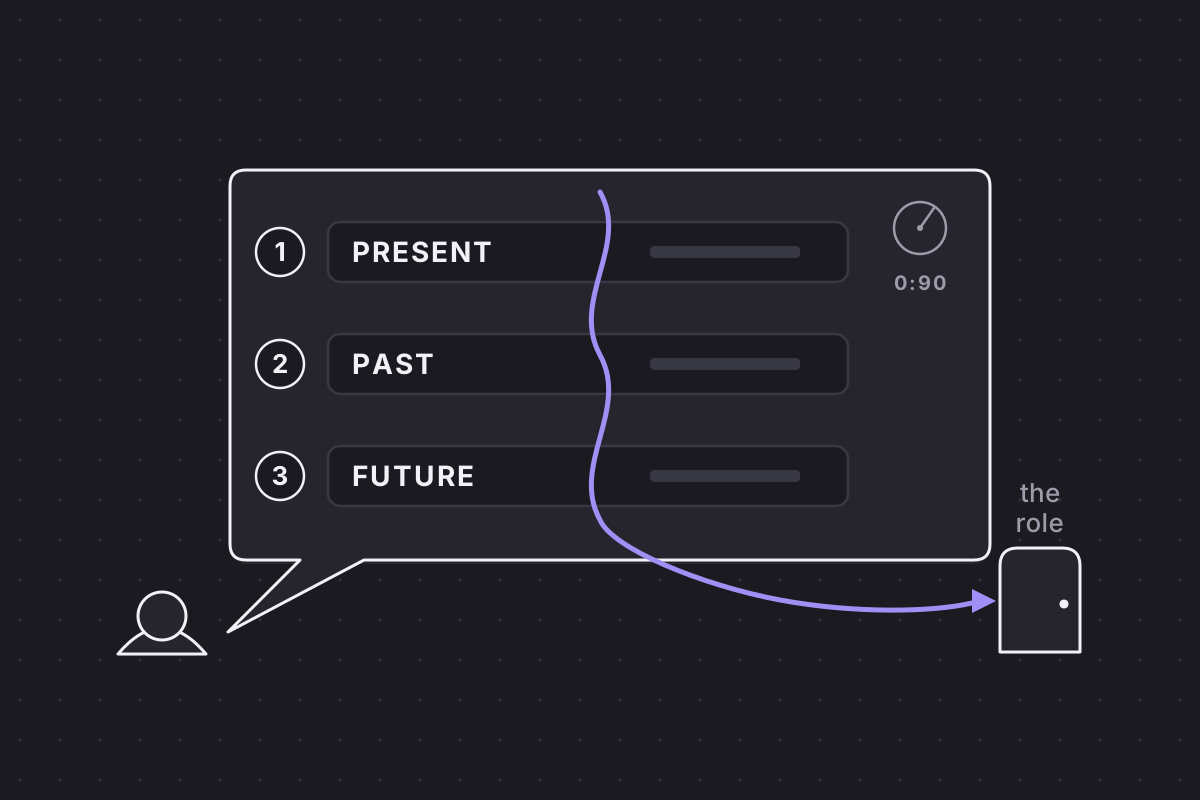
Sit in on a round of behavioural interview questions and you will hear the same failure on repeat. The candidate spends ninety seconds painting the scene: the company, the team, the legacy system, the reorganisation that explains why everyone was stretched. Then thirty seconds on the task. Then, with the interviewer's attention already fading, a rushed sentence about what they actually did and a vague claim that things improved.
That is the proportion problem, and it is the most common way strong candidates produce weak answers. Situation and Task are context, and context earns you almost nothing on the scoresheet. The items an interviewer can actually score live in Action and Result: did this person show judgement, did they act rather than observe, did anything measurably change because they were there.
The second failure is length. A spoken STAR answer should land in 90 seconds to two minutes. The format is a container, not a licence to narrate. If your answer runs past two minutes you are not being thorough, you are making the interviewer do the editing you should have done at home.
Story selection: the decision you make before the interview
By the time the question is asked, most of your answer's quality is already fixed. It was fixed when you chose the story. A perfectly structured account of a minor incident will always lose to a slightly scruffy account of a genuinely difficult one, because the interviewer is scoring substance, not delivery.
Selection means asking three things of every candidate story. Were the stakes real, in money, time, users or risk? Were you the actor, rather than a bystander with a good view? Did it end in something you can state as a change? A story that fails two of the three is not raw material for a behavioural answer, however fondly you remember it.
The same selection discipline applies to your opener, which most candidates also improvise. As 'Tell me about yourself' was never about you argues, that first question is really a request for a briefing, and the stories you reference in it set the agenda for everything that follows.
Spend the time on Action and Result
A useful rule of thumb: in a two-minute answer, Situation and Task together get twenty to thirty seconds. Everything else belongs to what you did and what changed. Here is what that sounds like in practice. The example is invented, but the shape is the point.
"Our support backlog had grown to about 900 open tickets and average first response had slipped past three days, which was starting to surface in churn conversations. As team lead, I owned getting it back under control. I pulled two weeks of tickets and found that roughly 40 per cent came from three known issues, so I wrote template resolutions for those and asked one engineer to fix the most common root cause instead of answering it repeatedly. I also moved triage to twice daily so nothing aged unseen. Within six weeks we had cut the backlog roughly in half and first response was back under a day. The template approach became standard for every new recurring issue."
Count the proportions. Two sentences of context. One of ownership. Four of specific, first-person action. Two of measured result. No scenic route through the company's history, no detour into how everyone felt about the backlog.
Notice the pronoun as well. Action is told in the first person singular. "We migrated the platform" tells the interviewer that a migration happened near you. "I wrote the rollback plan and ran the cutover" tells them what they would be hiring.
Numbers make your STAR method examples portable
A result without a number is an opinion. "The project went well" and "stakeholders were happy" are claims any candidate can make about any project, which is exactly why they score nothing. A number, even a rough one, turns the claim into evidence and lets the story travel between interviews, companies and industries without translation.
You do not need audited figures. "Cut the backlog roughly in half", "took the release cycle from six weeks to four", "onboarded three new markets in a quarter" are honest approximations, and interviewers treat them as such. What matters is that you measured something, remember it, and can explain how the number moved. If a figure genuinely does not exist, anchor the result in a decision instead: "the board approved the second phase on the strength of it" is still concrete.
Quantifying has a second benefit. It forces you to check whether the story has a result at all. A surprising number of well-rehearsed answers, spoken aloud, trail off before anything changes. Better to discover that at your desk than in the room.
A story bank of six, not sixty
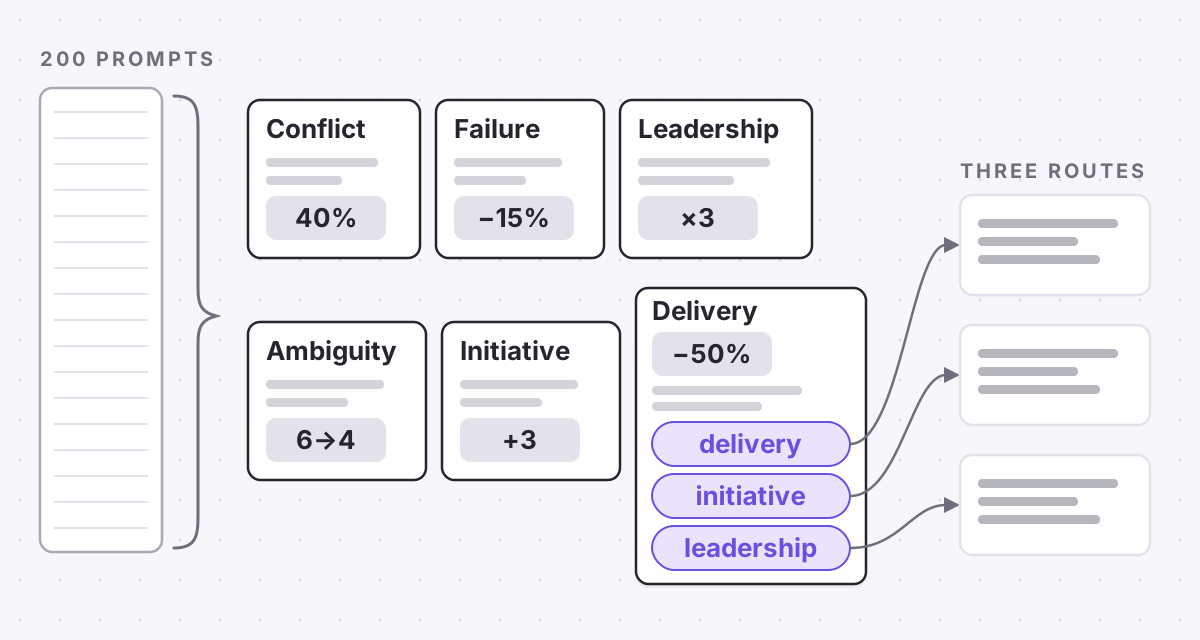
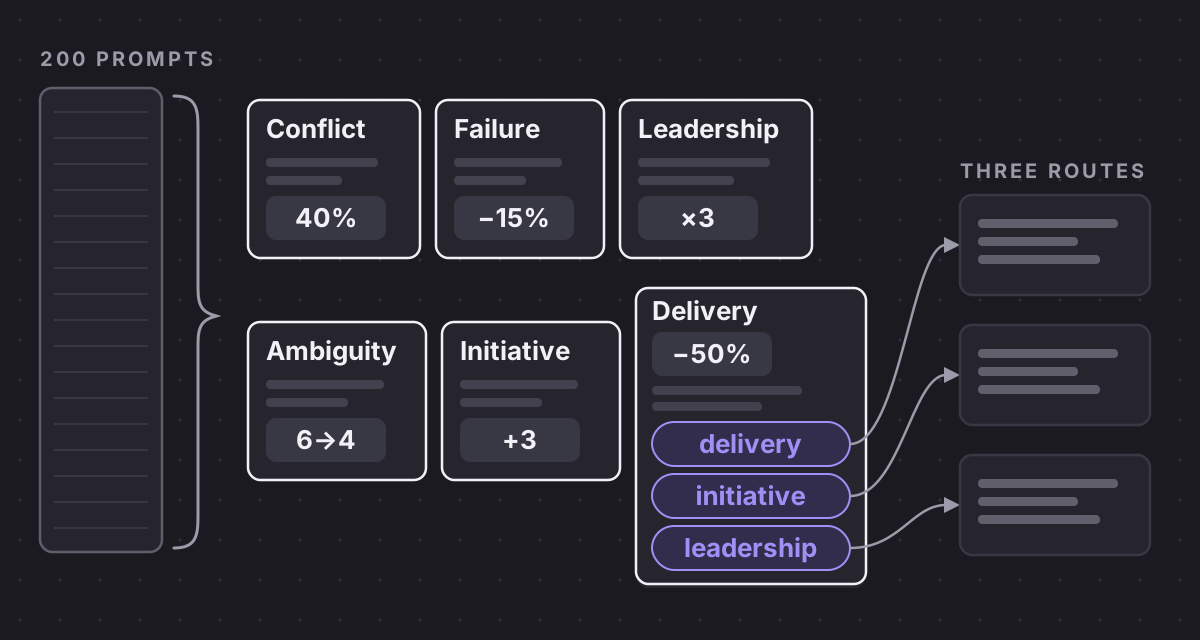
Candidates over-prepare in the wrong dimension. They collect question lists with two hundred entries and try to map a story to each one. The maths runs the other way. Six well-chosen stories cover nearly every behavioural prompt you will meet, because the prompts cluster into a handful of themes:
- Conflict: a genuine disagreement with a colleague, manager or stakeholder, and how you resolved it.
- Failure: something that went wrong on your watch, and what you changed afterwards.
- Leadership: a time other people moved because you organised, persuaded or decided.
- Ambiguity: acting sensibly when the goal, the data or the ownership was unclear.
- Delivery: shipping something hard under a real constraint of time, budget or people.
- Initiative: work you started that nobody asked for, and what it produced.
The technique is retagging, not rewriting. The backlog story above is a delivery story, but with a different emphasis it answers an initiative prompt, since the template idea was yours, or a leadership prompt, since you redirected an engineer's week. One story, three tags. Six stories, honestly tagged, give you two or three routes into almost any question, which is why you can stop rehearsing the two hundred.
Pressure-testing stories in a mock interview
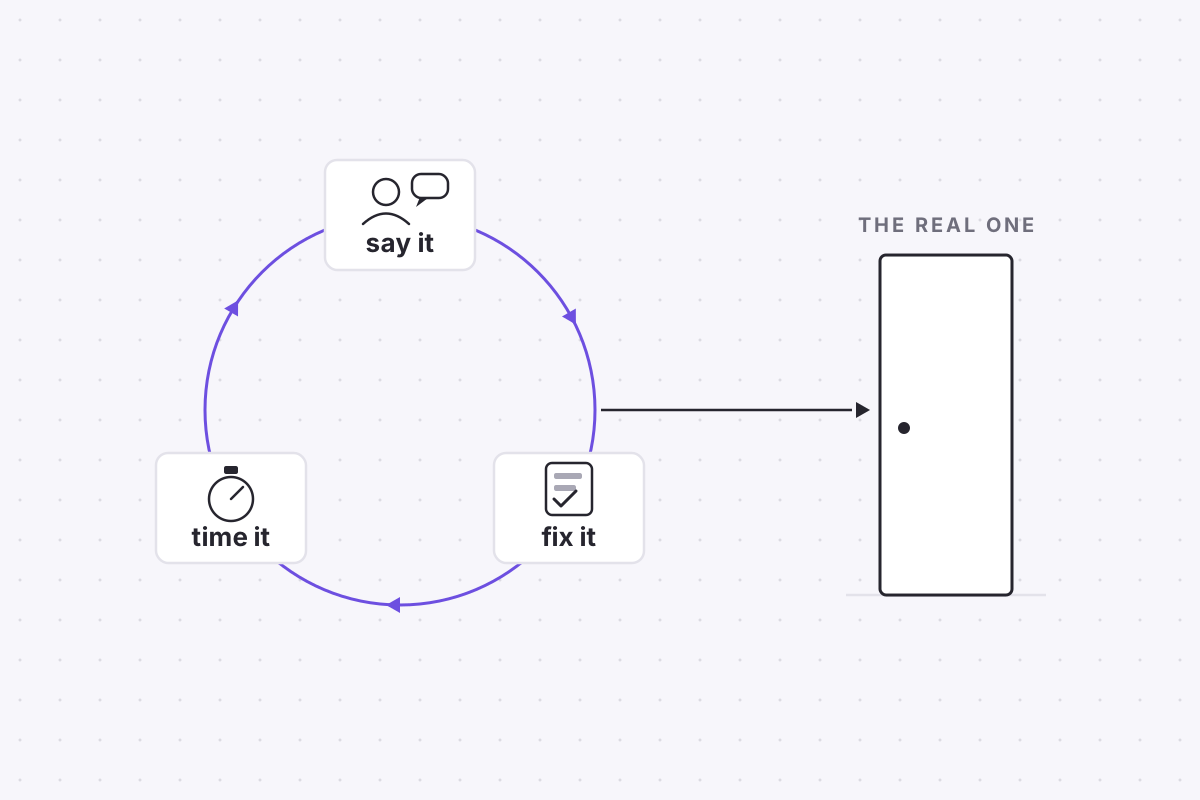
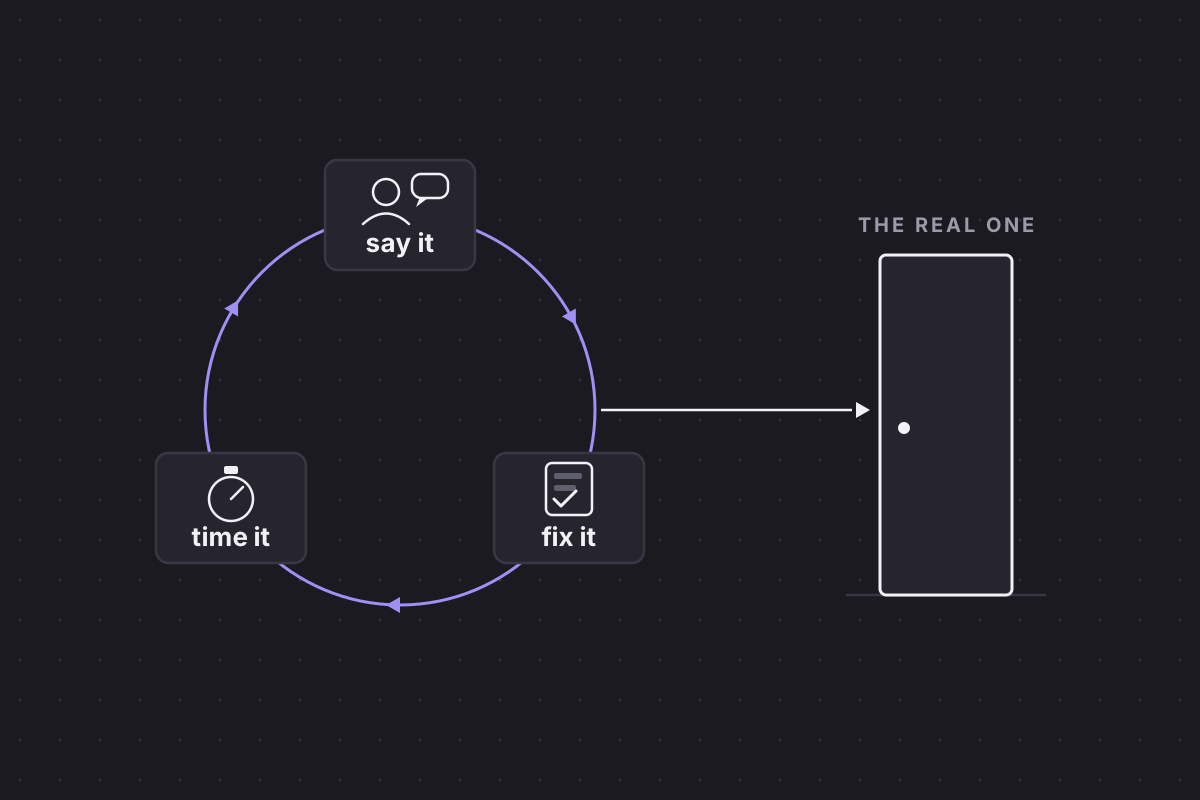
A story bank that lives in a document is untested inventory. Stories behave differently out loud: the 90-second version becomes three minutes, the number you were sure of goes missing, the ending arrives before the result does. That is the argument of Your first interview shouldn't be the real one, and it applies double to behavioural answers, which feel finished long before they are.
Run each of the six stories through a timed spoken rehearsal and cut until every one lands inside two minutes with the proportions intact. An AI mock interview, such as ApplyHustle's, is useful here precisely because it is indifferent. It asks the follow-up a polite friend would not, and it will tell you your Action section was thin without worrying about your feelings.
The STAR method was never the hard part. Choosing six real stories, weighting them towards Action and Result, and pinning a number to each ending is the hard part. Do that work once and every behavioural interview becomes a short performance of material you already know cold.