Following up isn't desperate. Disappearing is.
Silence feels safer than one short message. It isn't. The one-week rule, the three-line note, and when following up starts to hurt you.
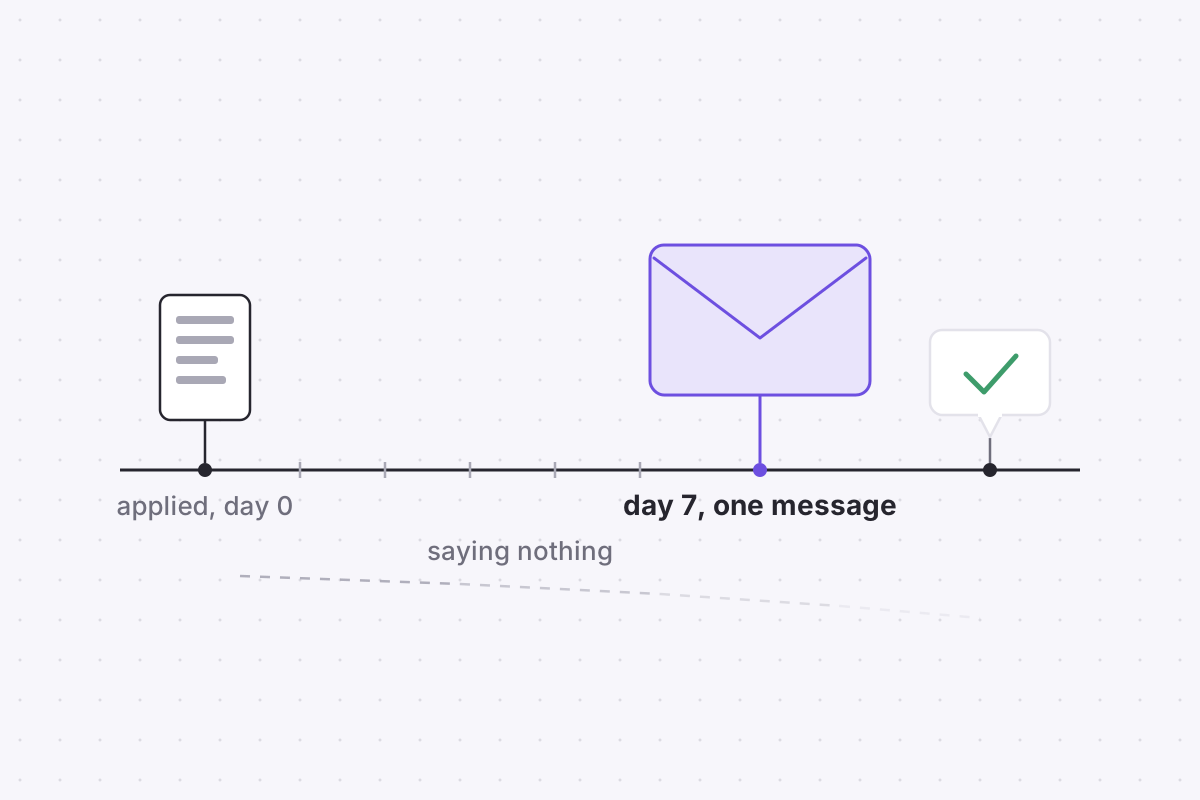
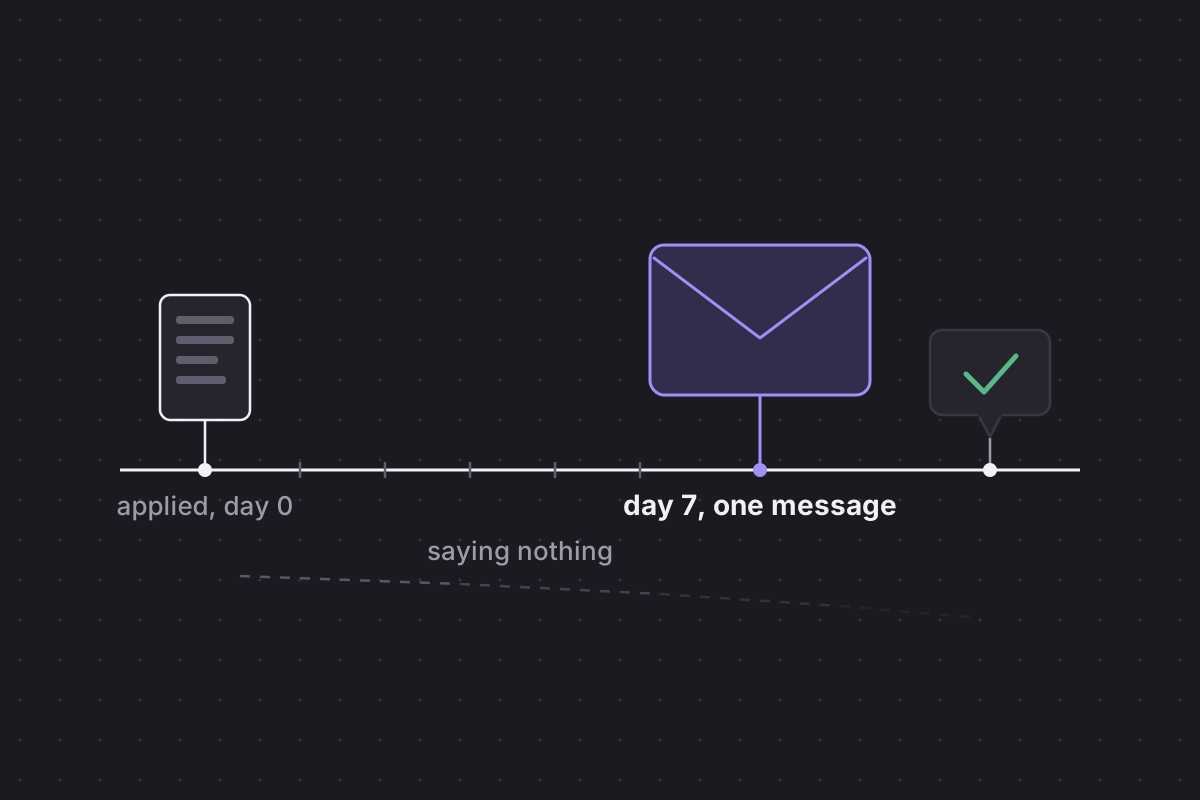
There is a specific dread attached to the follow-up email. You hover over a two-line message for ten minutes, decide it reads as pushy, and close the tab. The application sits in silence, and the silence feels safe because silence cannot be judged.
It is also the weaker move. Knowing how to follow up on a job application, once, at the right moment, to the right person, is one of the cheapest edges available in a search, precisely because the dread stops most other applicants from using it.
Why silence feels safer, and what it costs you
The fear is social. Nobody wants to be the applicant a recruiter complains about, so the imagination supplies a version of you that is annoying, desperate, quietly blacklisted. The picture is wrong on its facts. Recruiters are not weighing your worthiness to receive a reply. They are working a pipeline across dozens of roles at once, and applications go quiet through workload, handovers and broken process far more often than through verdicts.
What silence costs you is signal. A short, well-aimed note demonstrates continued interest and basic organisation, and it can surface an application that stalled for reasons that had nothing to do with you: a parser mangled your file, a hiring manager went on leave, a requisition was paused and quietly reopened. From the recruiter's side of the desk, the applicant who disappears is indistinguishable from the applicant who stopped caring, and shortlists tend to favour people who visibly want the role.
The one-week rule: when to follow up on a job application
The working convention across markets is simple. Wait five to ten business days after applying, or until any stated closing date has passed, before sending a single follow-up. Any earlier reads as impatience, because in most processes shortlisting has not begun and there is genuinely nothing to tell you. A posting with a deadline is a schedule; respect it and time your message for the week after it closes.
The word single is doing real work in that sentence. One follow-up reads as interest. Three read as pressure, and the third undoes whatever goodwill the first earned. If your one message draws no reply, that is your answer, and your attention belongs on the next application in the pipeline.
The practical failure here is memory, not manners. Two weeks into an active search nobody remembers which application has hit the seven-day mark. Log the date you applied and the date to nudge, in a spreadsheet or in ApplyHustle's Application Tracker, and the decision stops being emotional. The calendar decides, not the mood you are in when you re-read the posting at midnight.
Who to write to: recruiter, hiring manager, or the void
A follow-up sent through the application portal is a message to the void. Portals collect; they rarely deliver. The message that gets answered goes to a named person, and finding that person is a five-minute exercise, not detective work.
Start with the recruiter, because the recruiter owns the pipeline and can actually answer a process question. Postings often name them, and where they do not, a LinkedIn search for the company name plus "recruiter" or "talent" usually finds the team within a few results. Failing that, write to the likely hiring manager, the person who leads the team the role sits in. It helps to remember that LinkedIn rewards people who treat it as a search engine rather than a feed, and the habit cuts both ways: the same fields recruiters use to find you are the fields you can search to find them.
A three-line message that works in any market
The message that gets answered is under 80 words and makes three moves: name the role, offer one line of fit, ask one specific question. No paragraph of enthusiasm, because enthusiasm is not information and the reader is skimming on a phone between meetings.
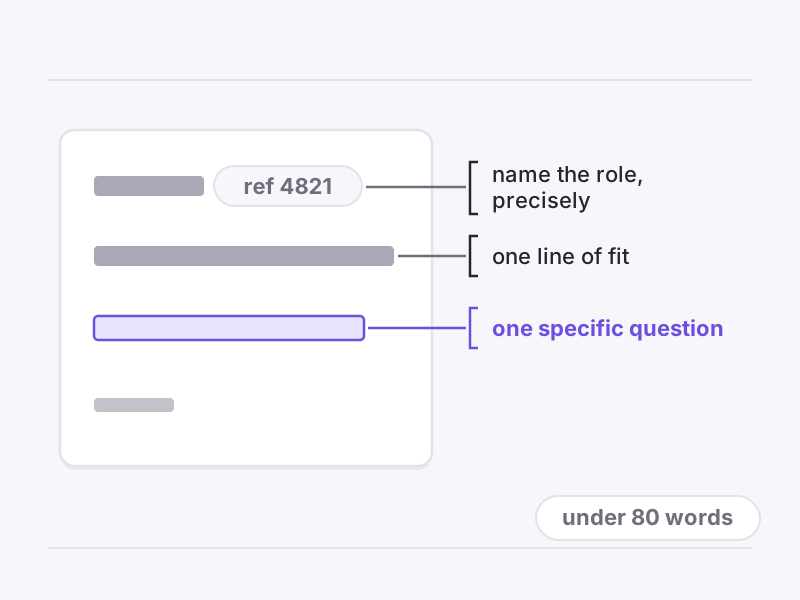
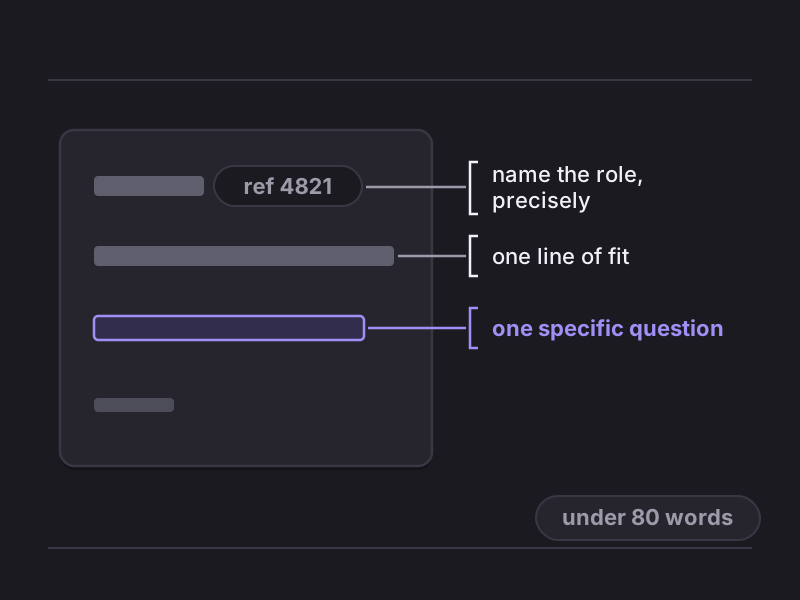
Hello Priya, I applied for the Senior QA Engineer role (ref 4821) on 6 August. I have led test automation for two payments products, which looks close to what the posting describes. Could you tell me when you expect to begin shortlisting? Thanks, Daniel Mensah.
The example is invented, but the mechanics are the point. The role is identified precisely enough that the reader looks nothing up. The fit line gives a reason to open your resume rather than restating it. And the question is specific enough to be answered in one line, which is exactly why it gets answered. The format also travels well: enthusiasm norms vary sharply between markets, but a brief factual message offends nobody anywhere.
When following up genuinely hurts you
Three situations flip the advice. If the posting explicitly says no enquiries, a follow-up demonstrates that you cannot follow written instructions, which is a worse signal than silence. After a rejection, the decision is made; a short thank-you asking to be kept in mind for future roles is fine, relitigating the outcome is not. And if you applied through a recruitment agency, the agency owns the relationship, so the nudge goes to your agent and never around them to the employer directly.
Everything else is fair ground. Pick the day in advance, pick the person by name, keep it under 80 words, and send it once. If you already run your search as a smaller number of deliberate, tracked applications, the follow-up stops being an awkward extra and becomes the next stage of each one. Disappearing is the only move that guarantees nothing happens.