Should you even apply? Now there's a number for that.
Most people decide whether to apply on gut feel. AI Match Score measures where you actually stand before you spend an evening tailoring.
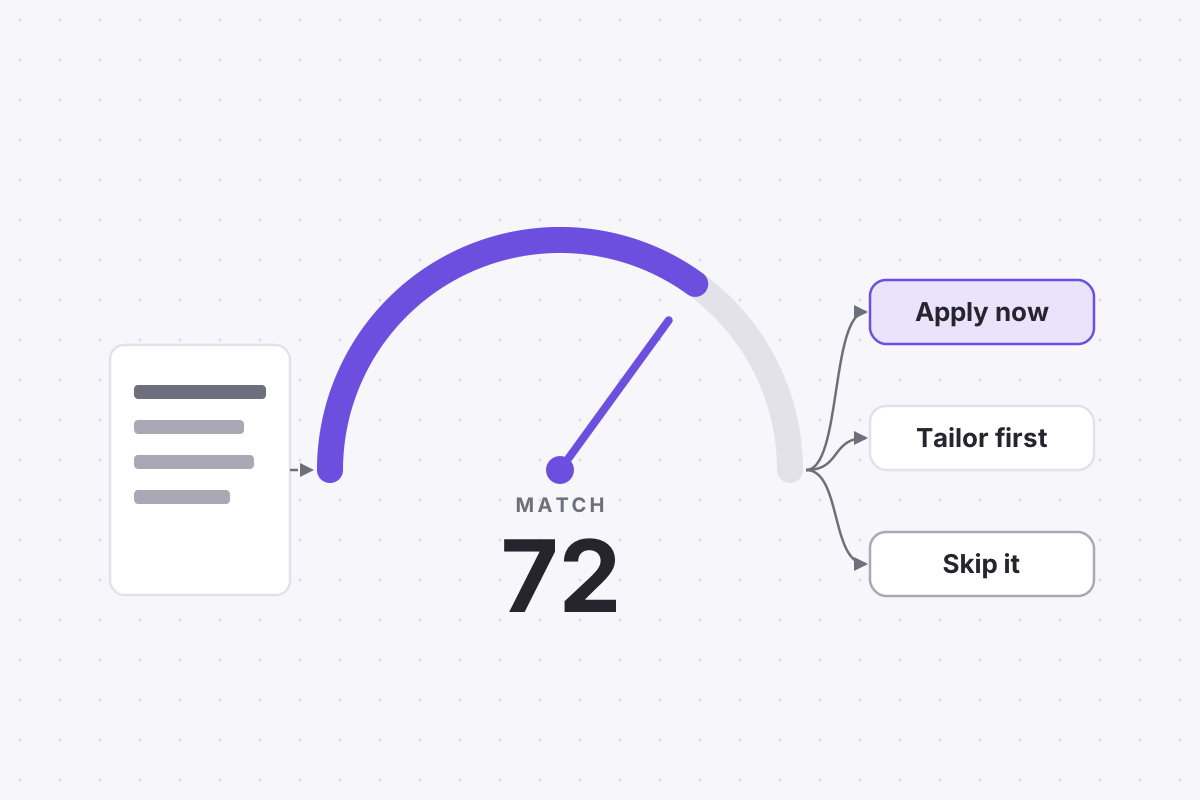
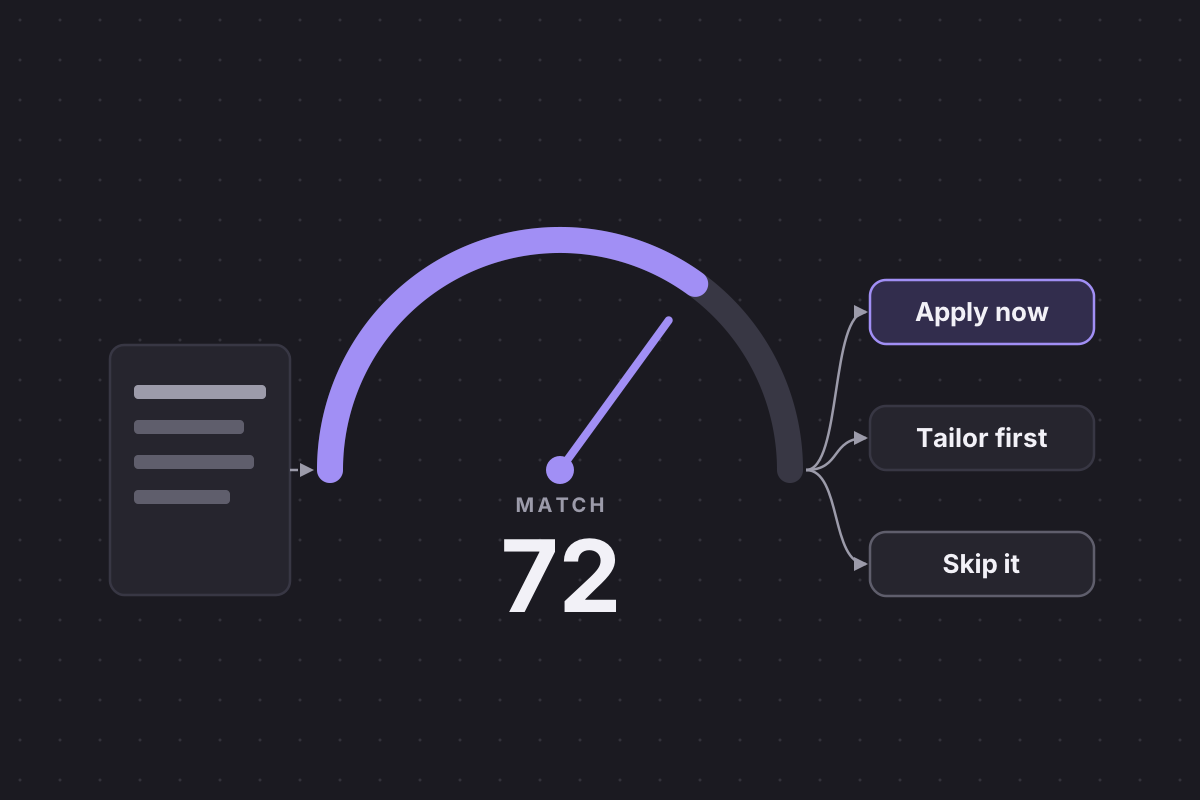
Every job seeker runs the same silent calculation before hitting apply: am I qualified enough for this one? The calculation is usually wrong, and wrong in a predictable direction, because it runs on feel. We built Match Score on the view that a resume match to a job description is measurable, and that a measured answer beats a feeling.
This piece is the honest version of what that number is: what it measures, what it cannot see, and how to use it to decide where your next ten applications go.
The 100% rule everyone follows and nobody admits to
A widely cited internal report from Hewlett-Packard found that many candidates apply only when they believe they meet essentially all of the listed requirements, while the people actually hired routinely meet far fewer. The figure circulates in several forms and it is decades old, so treat the precise numbers with suspicion. Treat the pattern with respect, because recruiters confirm it constantly: job descriptions are wish lists, and wish lists are negotiable.
The real damage of the 100 percent rule is not in the applications you send. It is in the ones you never send: roles you could have got, filtered out by your own overcautious arithmetic before any employer saw your name. A score exists to replace that arithmetic with something you can argue with.
What a resume match to a job description actually measures
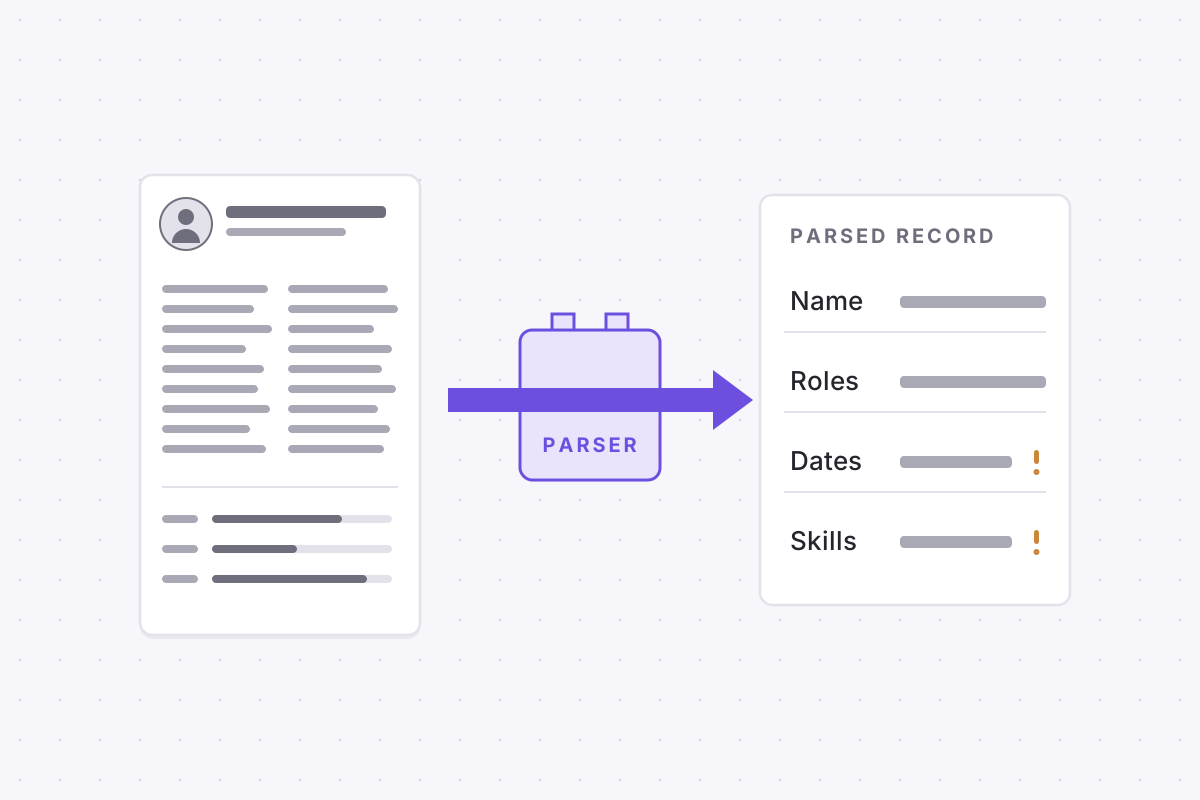
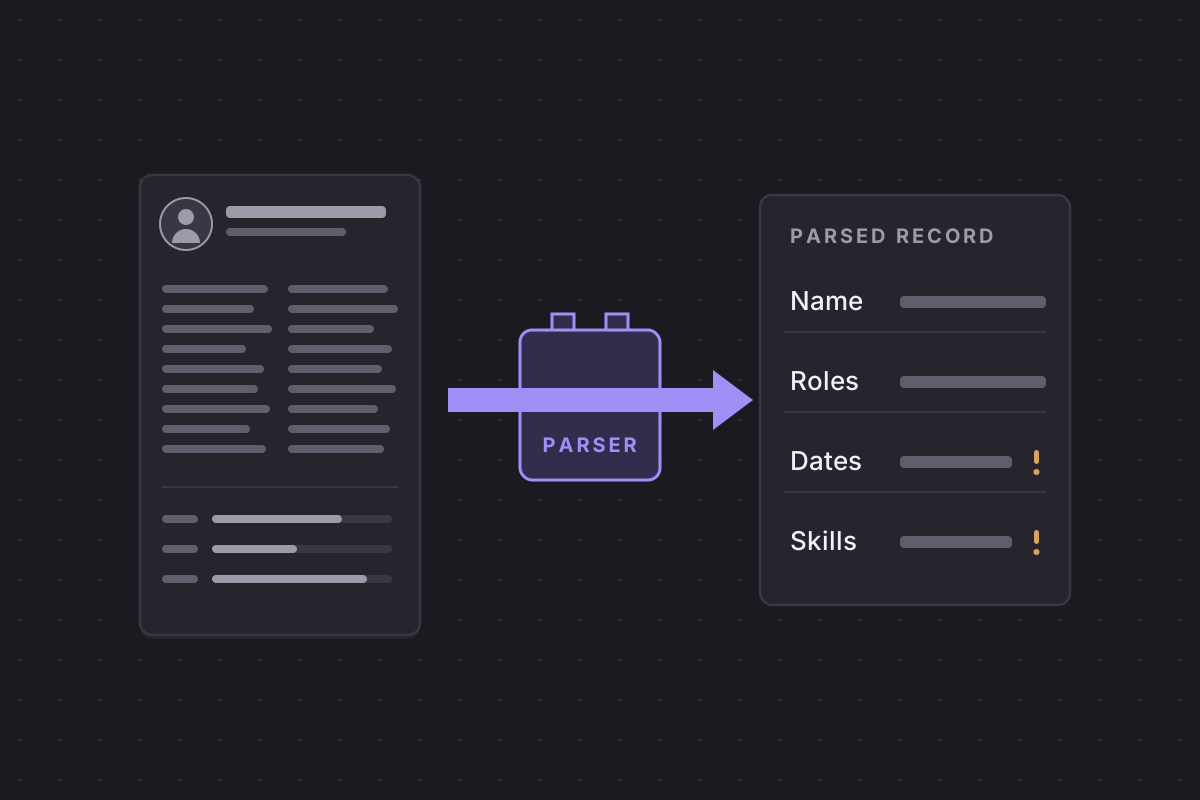
A job match score runs the same comparison a recruiter runs manually in the first screen. It extracts the skills, titles, tools and keywords from the posting, extracts the same from your resume, and measures the overlap. Nothing mystical happens. The material difference is that the machine compares your resume to the job description in seconds, does it the same way every time, and does it before you have invested an evening in the application.
Notice what that definition contains: what your resume says, not what you know. This matters because the recruiter's side of the funnel works the same way. Recruiters search resumes rather than read them, and a skill that lives in your head but not in your document does not exist for the search or for the score.
It also tells you what the number cannot do. An AI resume match score cannot judge how good your experience is, cannot detect chemistry with a hiring manager, and cannot see the requirements the company never wrote down. A high score does not promise an offer. It says the on-paper case is strong, and the on-paper case is what the first gate checks.
Missing skills vs unstated skills: the two kinds of low score
Every low score has one of two causes, and they demand opposite responses. The first is skills you genuinely lack: the posting wants Kubernetes and you have never touched it. The second is skills you have but never wrote down: you have run stakeholder workshops for years and the word stakeholder appears nowhere in your resume.
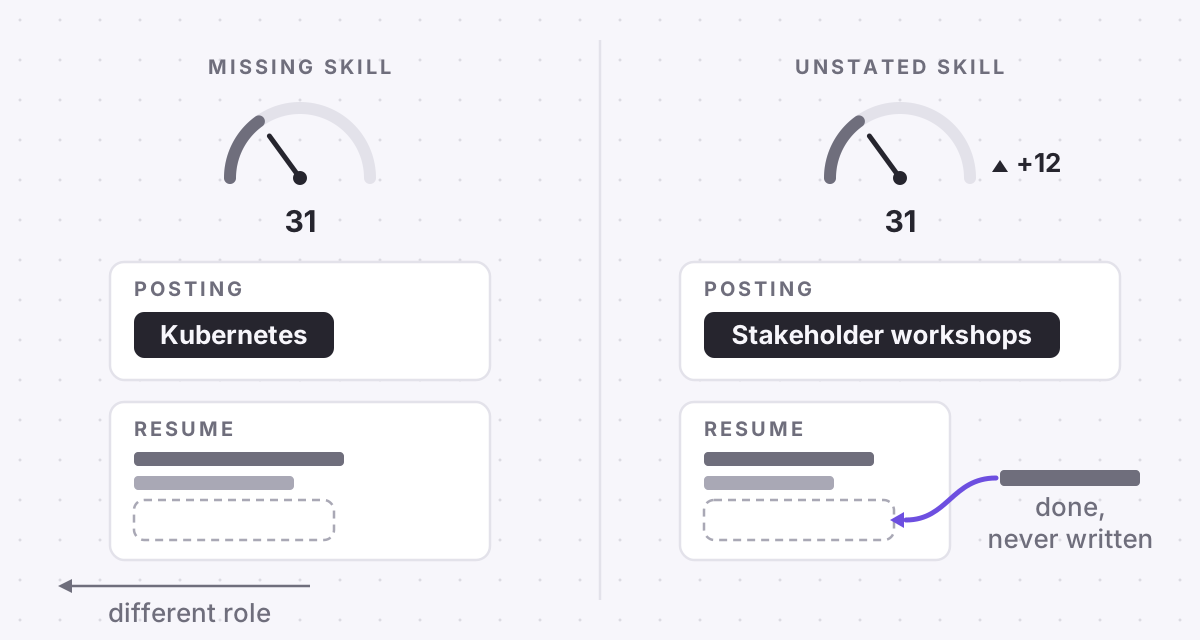
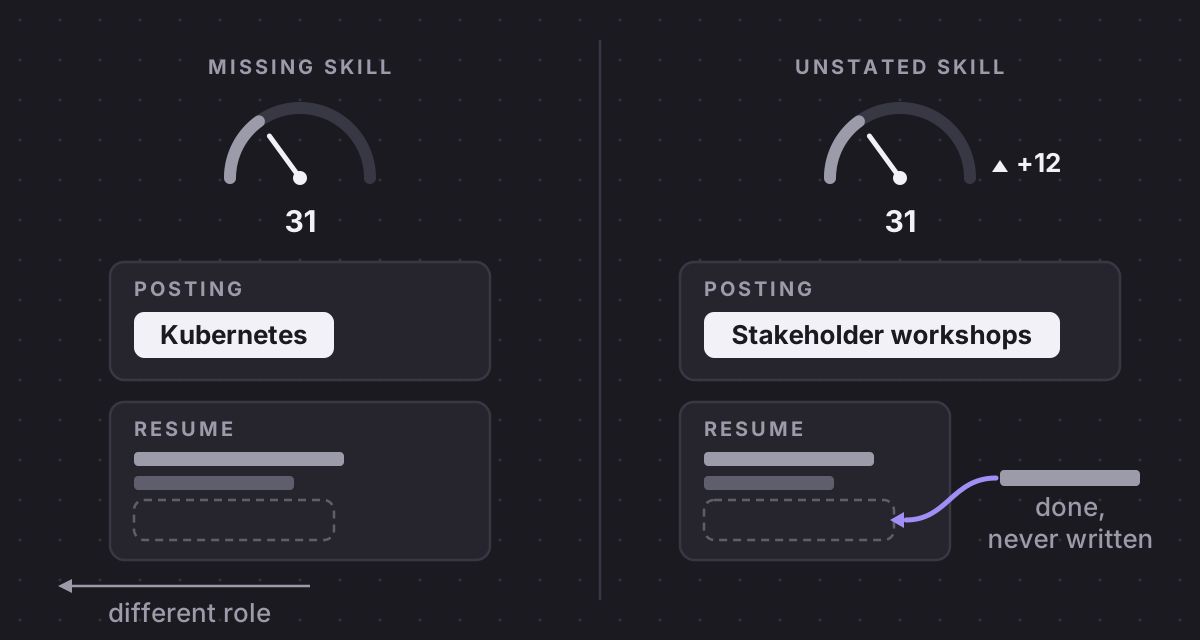
Only the second kind is fixable in an evening, and among candidates on ApplyHustle we have observed that it accounts for a large share of low scores. People underdocument relentlessly. They write duties instead of skills, compress years of tooling into a phrase like various technologies, and assume context the reader does not have. The score surfaces the gap. Whether it is a real gap or a writing gap is a question only you can answer, and answering it honestly is the whole exercise.
When a low score means tailor, and when it means walk away
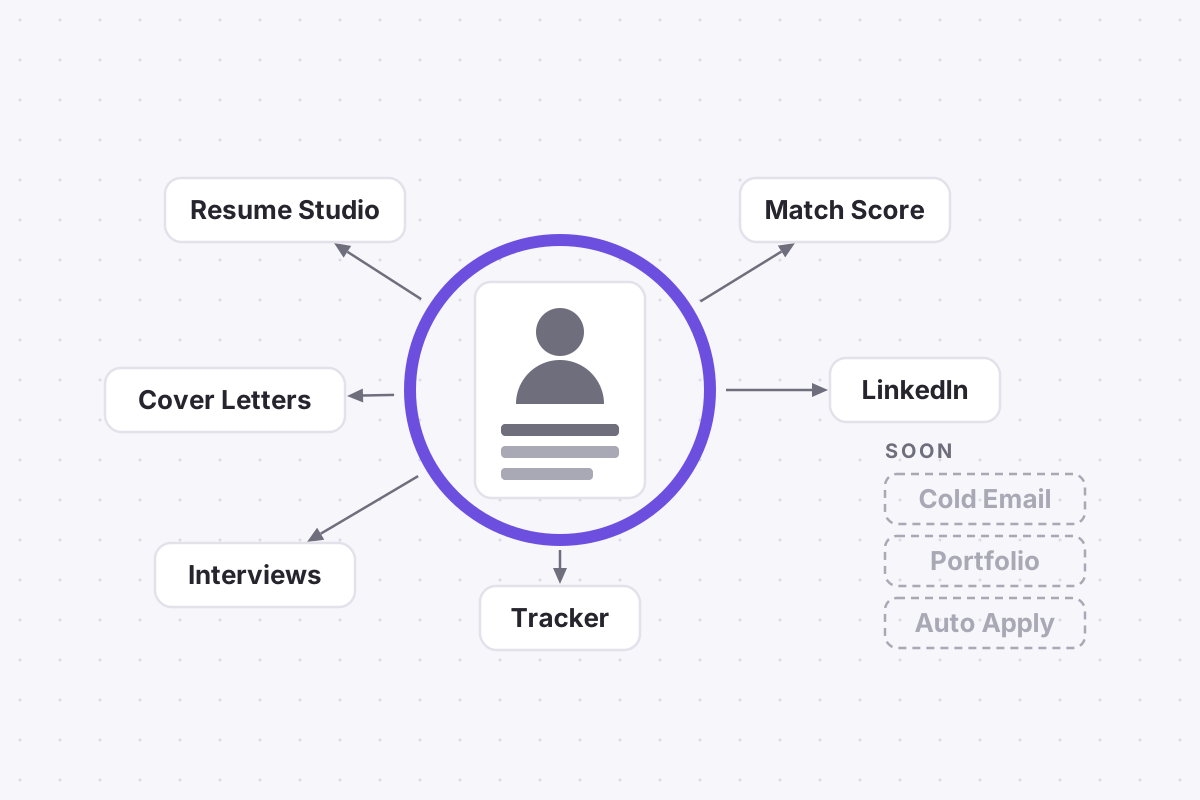
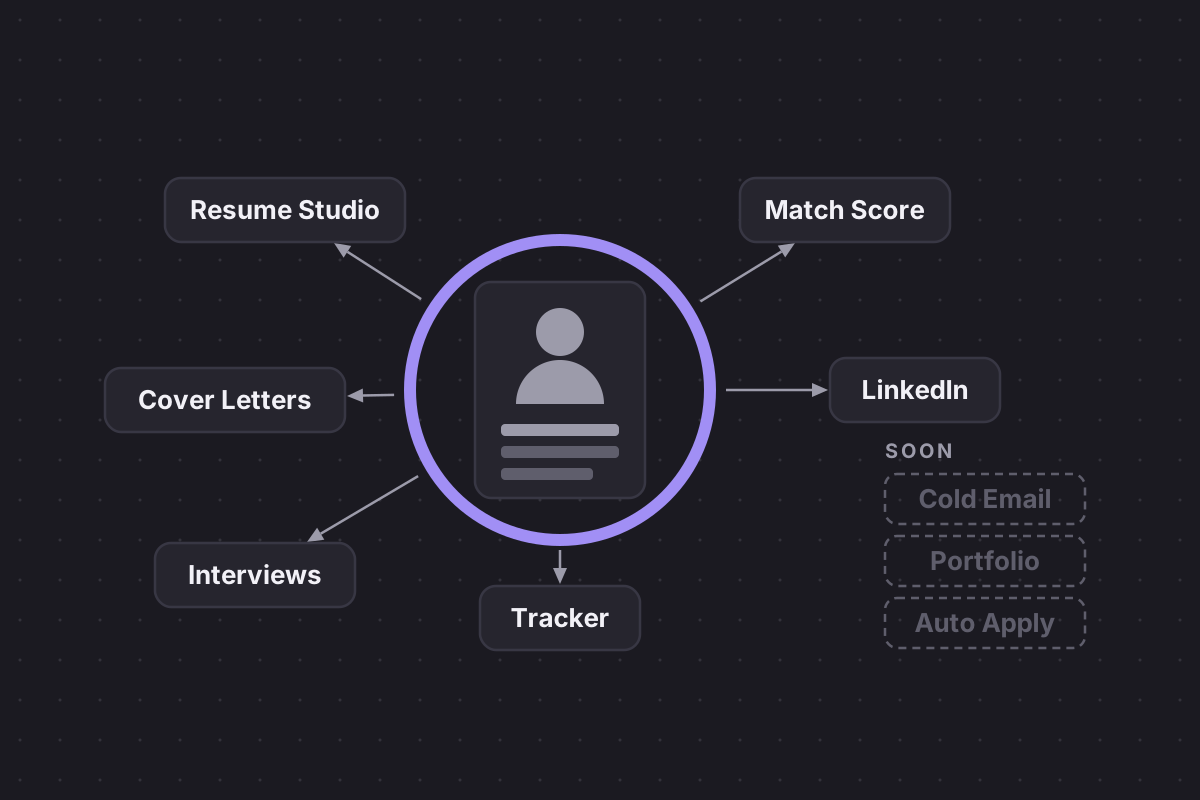
Work through the gaps one by one and ask of each: have I actually done this? If yes, the fix is editing, not experience. Rewrite the relevant bullet to name the skill in the language the posting uses, truthfully. That is tailoring, and it is legitimate. You are translating your history into the reader's vocabulary, not inventing history. Because one ApplyHustle profile powers Match Score, Resume Studio and Cover Letter Studio, the loop stays short: score against the posting, fix the wording in the same place, and the corrected resume carries into the cover letter as well. Then check the result the way the ATS will read it before you send.
If the answer is no, weigh what kind of no it is. A missing nice-to-have among many hits is the normal texture of a strong application, and the commonly cited hiring pattern above says apply anyway. A missing hard requirement, a licence, a legally required qualification, a language the role operates in, is a walk away. No amount of tailoring writes you into a certification you do not hold, and the hour you would burn trying belongs to a better-fit posting.
Folding the score into a ten-application week
Here is the working rhythm we recommend, and the reason the score exists at all. Quality beats volume: 20 well-prepared applications beat 100 rushed ones, an argument made in full in apply to 10 roles well, not 100 badly. The hard part of that advice was always the selection. Which 20?
The score is the selection tool. Shortlist broadly, score everything, and let the numbers sort the week: strong matches get applications now, fixable matches get an evening of tailoring, hard-requirement misses get dropped without guilt. You end the week with ten applications that each survived a deliberate decision, instead of a hundred that survived none.
Should you even apply? Sometimes the honest answer is still no. But it should be a no you can point to, reached in a minute, with the hour it saved spent on the role where the answer was yes.