See your resume the way the ATS sees it
Every resume gets parsed before it gets read. The free ATS check shows the record recruiters actually search, while you can still fix it.
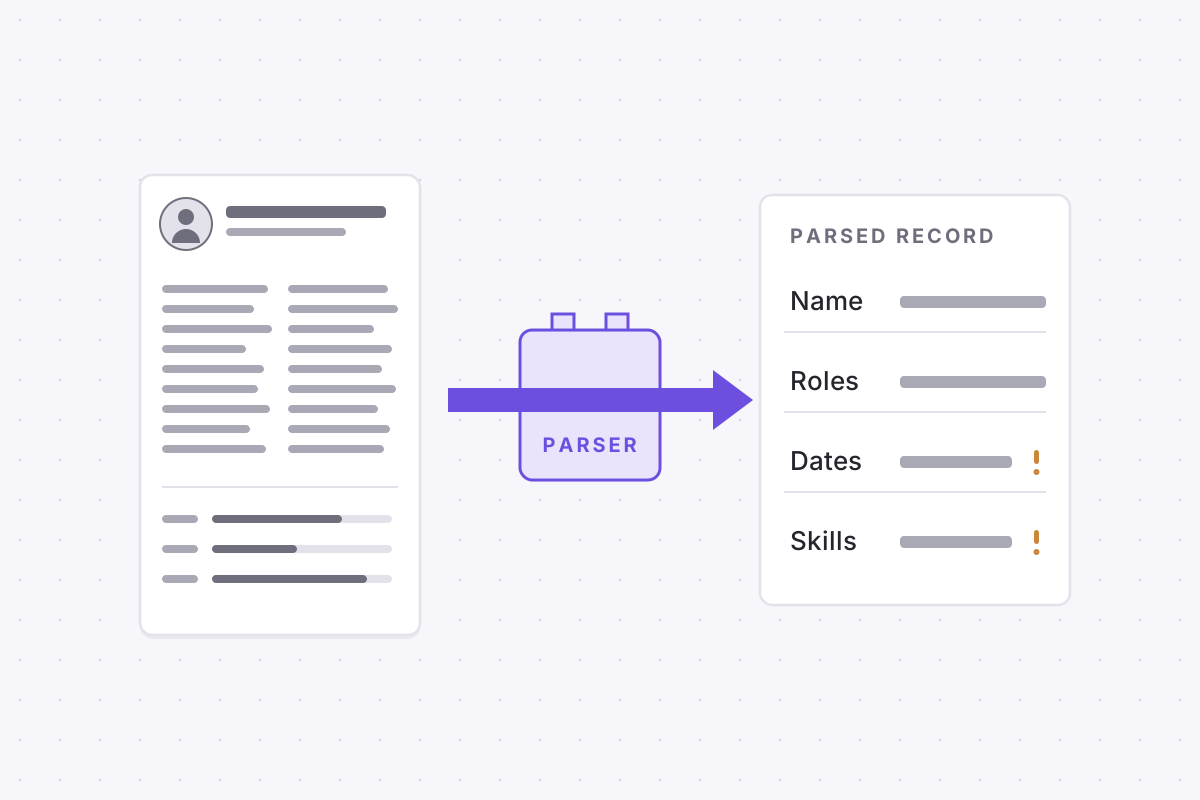
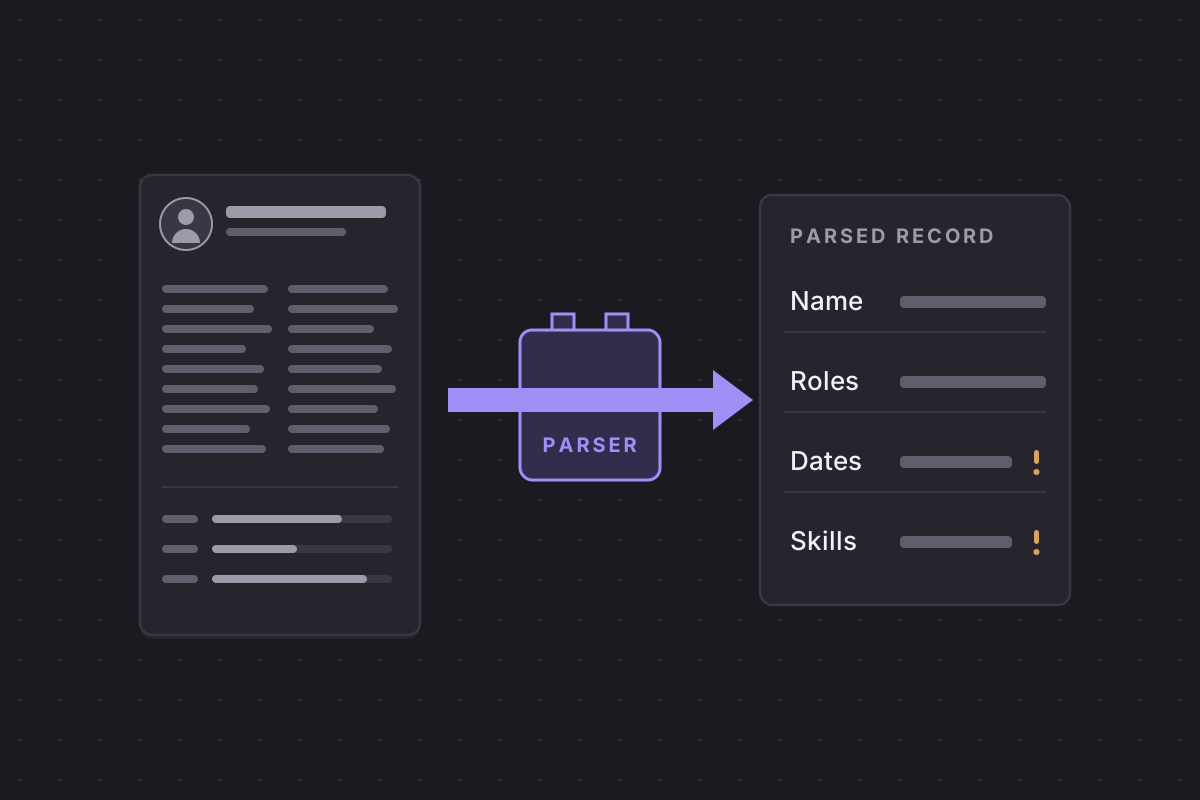
Every resume exists in two versions. There is the one you designed, and there is the one the applicant tracking system extracted from it, and recruiters screen the second. We built our free ATS resume checker because almost nobody has ever seen that second version of themselves, and the gap between the two is where good applications quietly die.
This piece explains what the check looks at, what it cannot do, and why it costs nothing. Consider it the honest documentation.
The version of your resume you've never seen
An ATS converts your file into a structured record: contact details, work history, education, skills, each in its own field. Recruiters search and screen that record, not your PDF, a process we traced step by step in what happens in the six seconds after you hit apply.
The check runs your file through the same class of parser and shows you the result. Sometimes the record mirrors the document. Often it does not: dates attached to the wrong roles, a skills table reduced to word soup, a header quietly gone. You cannot fix a version of your resume you have never looked at. And since recruiters spend their first seconds on the parsed record, whatever the record says is what you said.
What the free ATS resume checker looks at: parsing, structure, keywords
The check makes three passes. Parsing asks whether your text can be extracted and mapped to the right fields at all, an ATS resume test in the most literal sense. Structure hunts for the layout choices that break parsers: tables, multi-column designs, text trapped in images, contact details in the document header. Keywords compares your record against your target role and reports coverage, since a record that parses cleanly but misses the searchable terms still never surfaces.
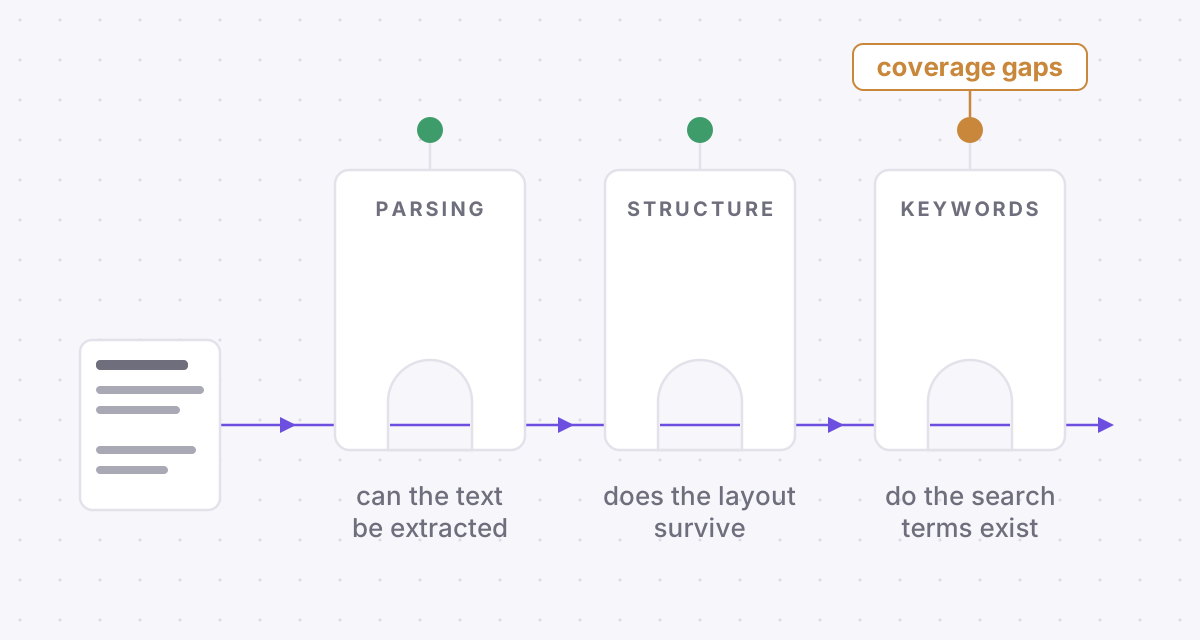
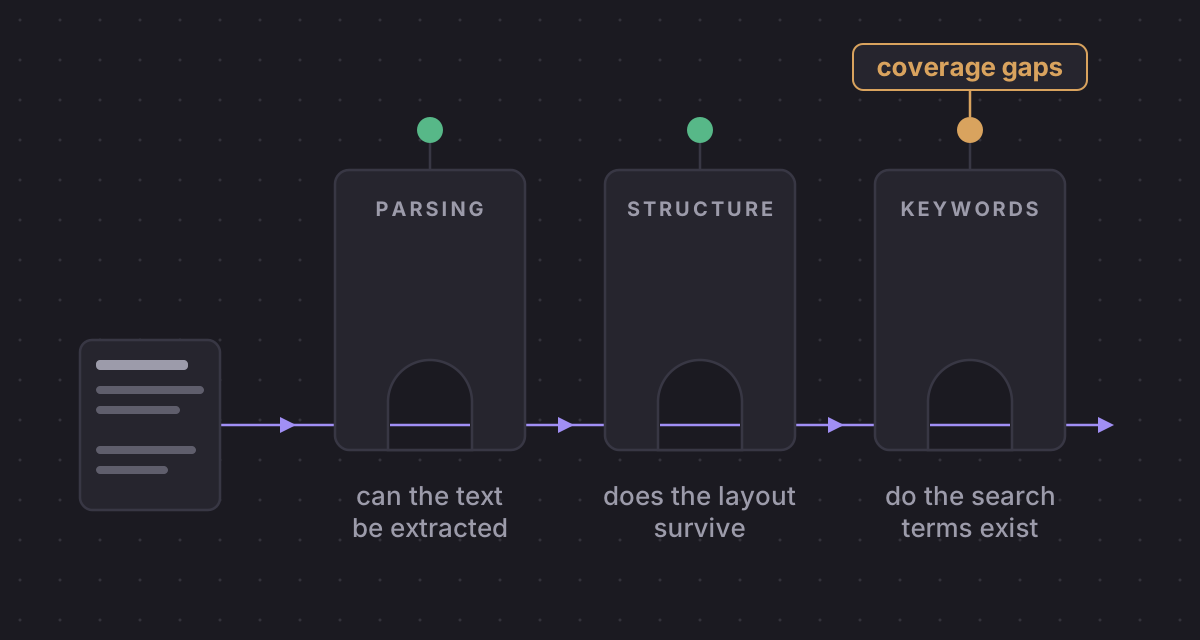
Any resume checker online can count words. The useful part is seeing the three layers together, because they fail independently and people usually check only the one they already suspected. If you have never checked your resume's ATS compatibility, this is the whole job in one pass. You give it a resume and, ideally, a target role, and it returns the parsed record with each problem flagged where it occurs.
The five failures we see most
Across the resumes that come through the check, the same problems keep surfacing.
- Contact details in the document header, which some parsers skip entirely, producing a perfect resume that nobody can reply to.
- Tables used for layout, which parsers read in an order the designer never intended, scrambling skills and dates.
- Multi-column designs, where text from the left column interleaves with text from the right into sentences nobody wrote.
- Text inside images, including skill charts and designed banners, which most parsers cannot read at all.
- Keyword coverage gaps against the target role, where the record parses cleanly but never matches the searches recruiters actually run.
The first four are mechanical and one afternoon fixes them. The pattern behind them is worth understanding, and we wrote it up in your resume is beautiful, the parser sees a blank page.
From check to fix in Resume Studio
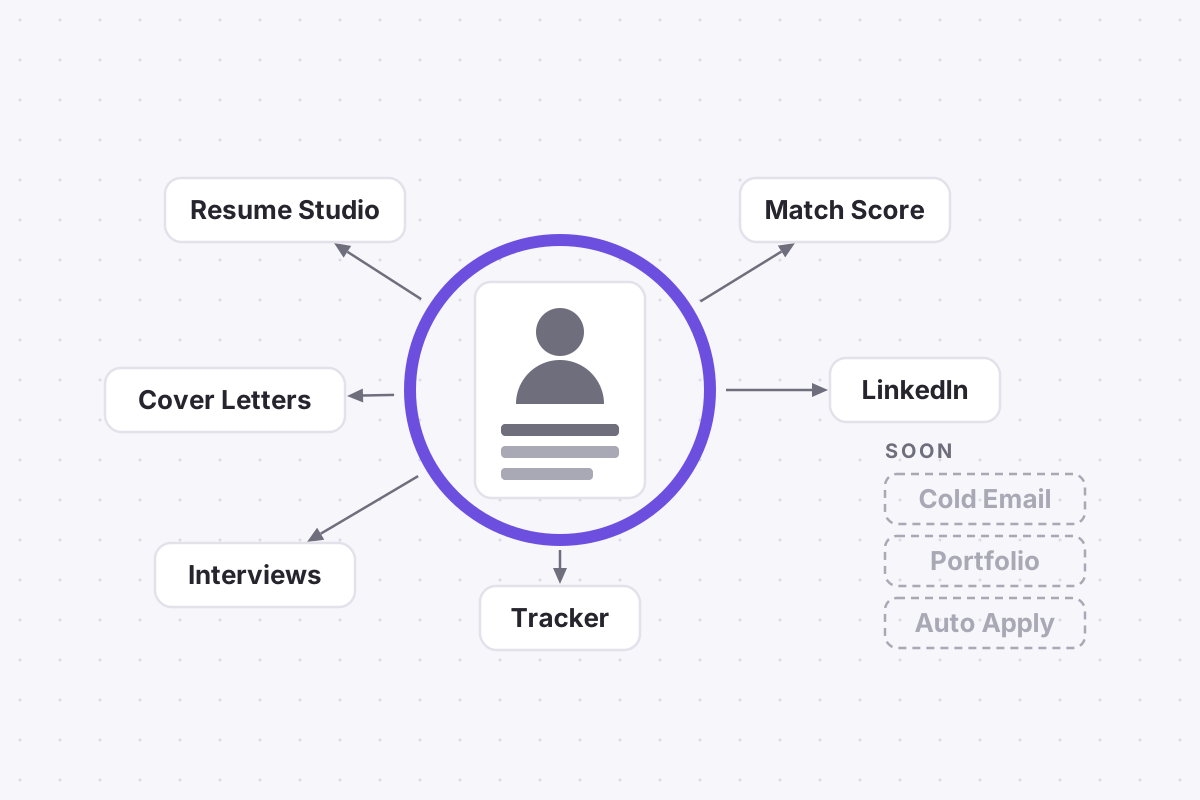
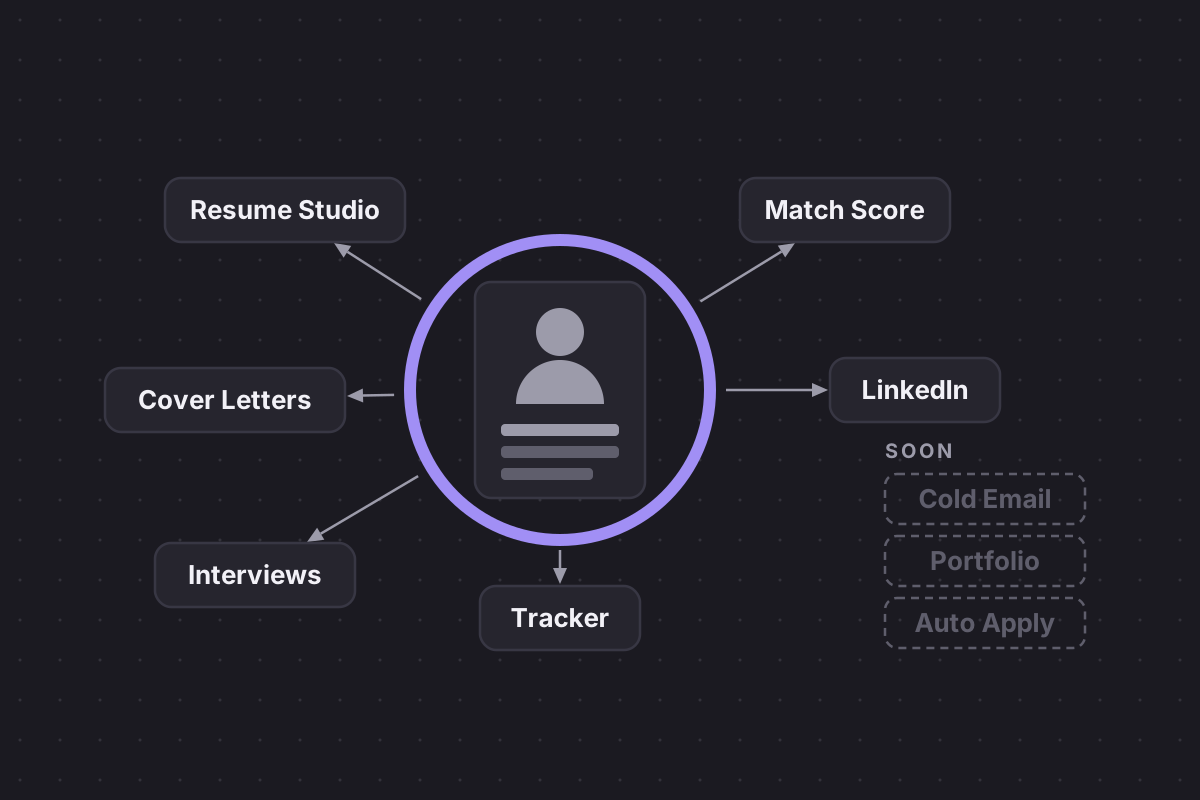
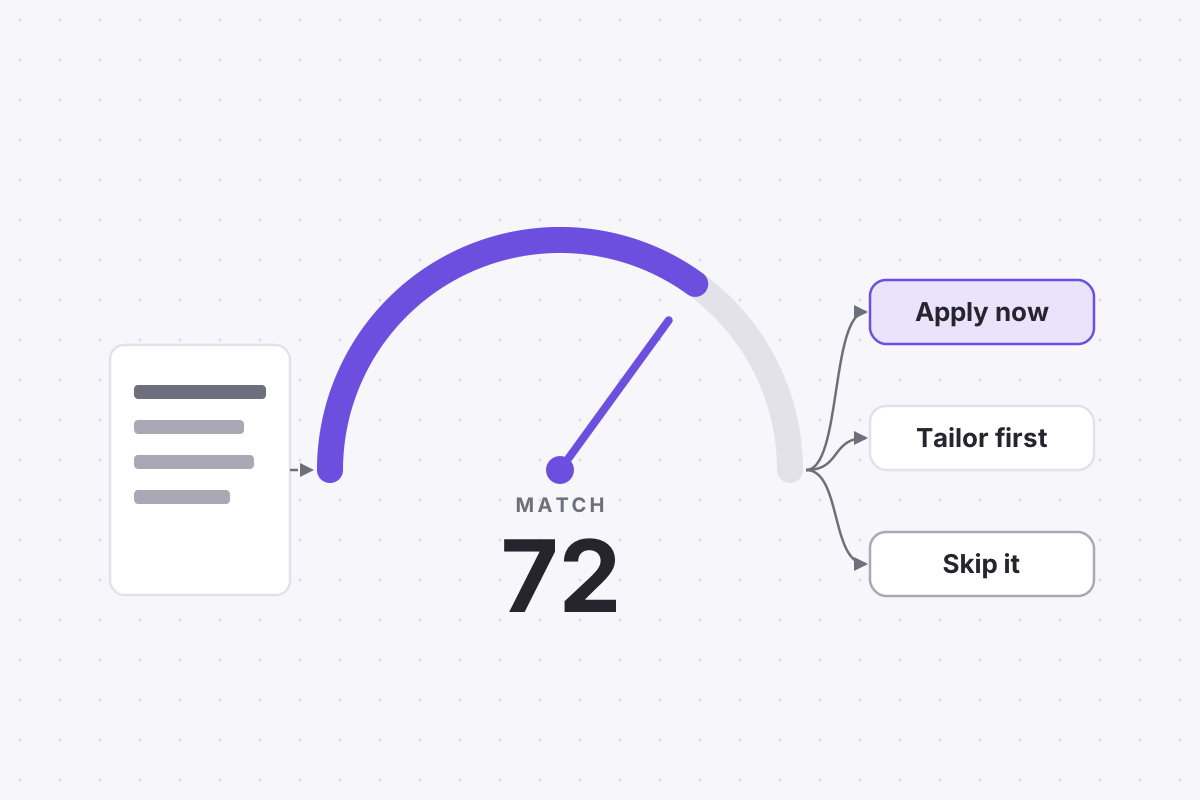
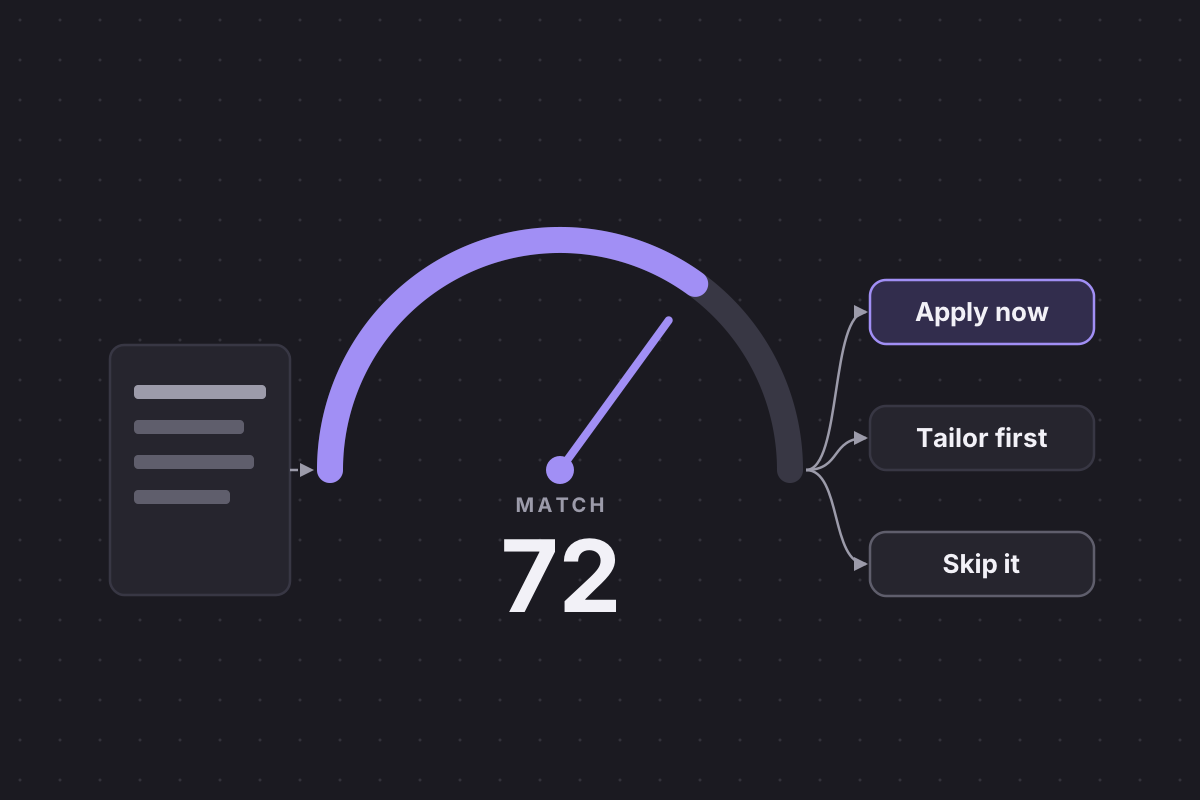
A diagnosis you cannot act on is just bad news, so the check feeds Resume Studio, where the flagged problems get fixed against layouts that parse cleanly. Because one profile powers Resume Studio, AI Match Score and Cover Letter Studio, a correction made once carries into everything else, including the match score that helps you judge whether you should even apply to a given role.
Some honesty about limits. The check will not invent experience you do not have, and a clean parse does not guarantee interviews. What it guarantees is narrower and still worth having: the database contains an accurate version of you, and searches that should find you, do.
It will not replace your judgement either. The check can tell you a keyword is missing. Only you know whether the skill behind it is real, and that answer decides whether the fix is a wording change or a different application.
Why the check is free
No mystery: the check is our front door. We think the first time you see your parsed record, you understand the problem we work on better than any pitch could manage, and some of you will want the rest of the toolkit. That is the trade, stated plainly. We would rather earn the upgrade than gate the diagnosis, and free checks that exist mainly to frighten you into a purchase are a genre by now. Ours reports what the parser found and stops there.
So there is no card required and no countdown timer, and we are not much interested in awarding pass or fail badges. The point was never a badge. It is seeing the same screen a recruiter sees, before they do, while you can still change what is on it. If your record comes back clean and your coverage is strong, you may not need us at all. That is a perfectly good outcome too.